


Over the last few decades, surfing has evolved from a fringe, countercultural pursuit into a globally recognised sport, culminating in its debut as an Olympic event. The mainstream exposure of surfing and surf culture has ultimately inspired more people than ever to pick up a board and try out surfing, which has also led to a sharp increase in crowded and often unregulated lineups.
Key Points:
- Understanding localism is about mutual respect and a sustainable surf and remote work lifestyle.
- Following right-of-way rules like avoiding dropping in is essential for surf nomad safety.
- A humble mindset and practicing board control goes a long way while traveling and surfing.
In many surf destinations around the world, especially those dependent on tourism, this influx of new surfers can result in tension, poor etiquette, and a lack of respect for local communities who rely on these waves for both livelihood, pastime fun, and culture.
Without shared rules and awareness, crowded lineups risk becoming hostile spaces, undermining the aim of sustainable surf tourism, and placing the greatest burden on locals who call these breaks home. This is why we need to learn about surf etiquette and put it in practice as we move into a new age of surfing.

Enter: Surf Etiquette
Surf etiquette is significant in every lineup in the world, and becomes especially important when you are surfing a crowded spot that you do not call home. Being safe, fair, respecting the local community, and being aware of the lineup are essential practices when surfing new waves in foreign places. It also contributes to a sustainable ecosystem of tourism, and can even help you catch more waves. Thus, as a digital nomad surfer travelling the world, learning surf etiquette for crowded lineups is an essential part of the lifestyle.
Here are some points of practice;
- Understanding Localism
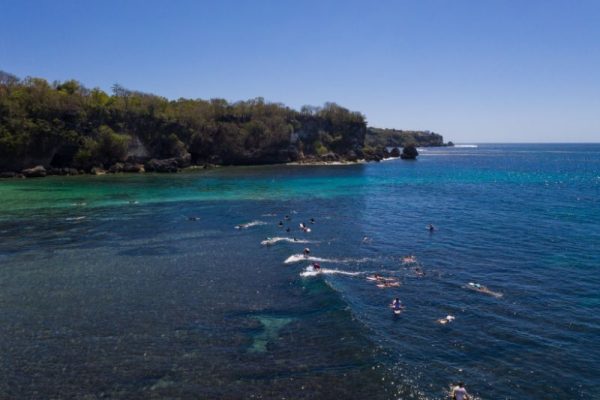
Localism can sound intimidating, and definitely feel intimidating, but at the end of the day, it’s just about mutual respect. Surfers who grew up at a break, or have spent years surfing it, feel protective of their home lineup, and most of the “localism” you’ll encounter is simply an unspoken order where locals sit deeper, hold priority over sets, and expect visitors to read the room when paddling out.
Rocking up to a lineup where the localism is strong may feel strange and exclusive, but think of it this way: Having a home break is like having a kitchen. How would you feel if someone came into your home and into your kitchen and took whatever they wanted, without waiting or asking? That’s right, it would be weird, and no one would do it. The same concept applies to lineups with a local surf community.
As a non-local, the best way to avoid tension is to arrive with humility, patience, and let a few waves go through before taking your turn. When you show respect, you almost always receive it back. You’ll also make friends more easily, cultivate a good vibe in the water, and you’ll usually end up catching more waves because of it, and thus, have more fun.

2. Right of Way 101: Priority Rules You Must Know
Knowing how to be a respectful surfer can determine whether you catch waves or never return to a lineup, especially when strong localism resides. So just in case you aren’t familiar, here’s a quick breakdown of basic etiquette in the surf.
- Respect the lineup. This means the ones who are sitting closest to the peak have priority over the next waves that come. If you’re just paddling out, waiting for others to catch waves before you go shows a lot of respect to other surfers. You do not want to paddle behind everyone (“back-paddle”), go straight to the peak, and catch the first wave that comes through. This action is the equivalent of flipping off other surfers.
- Don’t snake other surfers. If someone has been waiting for a wave longer than you and is about to paddle for one, paddling around them so that you are deeper than them and catching the wave when it’s not your turn is an extremely offensive practice in surf etiquette and culture. Snaking can ruin the vibe in a lineup for everyone.
- Don’t drop in. If someone is already riding a wave, do not paddle for it or take it yourself. Sometimes this happens accidentally, especially in a crowded lineup, but that is why it is essential to be aware and always check your surroundings before catching a wave. If you do end up dropping in on someone accidentally, pull off the wave, apologise immediately afterwards, and avoid defensive behaviour. We all mess up sometimes, and acknowledging your mistake shows respect to others.
- Paddle smart. Always try your best to avoid the path of surfers on a wave. If there’s a channel, use that to paddle back to the lineup. If you’re caught on the inside and a surfer is coming towards you, paddle towards the already broken part of the wave so that you don’t disrupt their line. And if you’re out the back and have paddled for a wave and missed it, that means the next wave is for someone else, and you should wait your turn again.
- Share the set. If you’re catching waves from the peak, keep in mind wave count etiquette. Let some sets go and share with other surfers around you.
3. Additional Practices Outside of the Lineup
- Learn the break before you paddle out. Study the lineup, the currents, and identify the takeoff zones. Watch how the sets move and what kind of surfers are in the water before jumping in. This is safe practice as mismatched ability can be dangerous for you and others in the water. Knowing your limits and understanding a break will help you avoid accidents and tension in already crowded lineups.
- Practice board control. Before attempting to surf bigger, heavier, and more popular waves, make sure you are comfortable manoeuvring on your board on smaller waves. Practice sitting on your board, popping up, pulling off waves safely, and dismounting without sending your board flying in a mellow environment before ramping it up to a more hectic lineup. Board control is one of the best surf nomad safety tips to keep you from losing your board, hurting yourself, and others.
- Respect the environment. This means the reef, the beach, and the community. Some example practices include choosing reef-safe sunscreens, avoiding single-use plastics, and being aware of cultural differences and customs whilst travelling to different surf towns.
4. Surfing as a Non-Local: Situational Awareness Tips
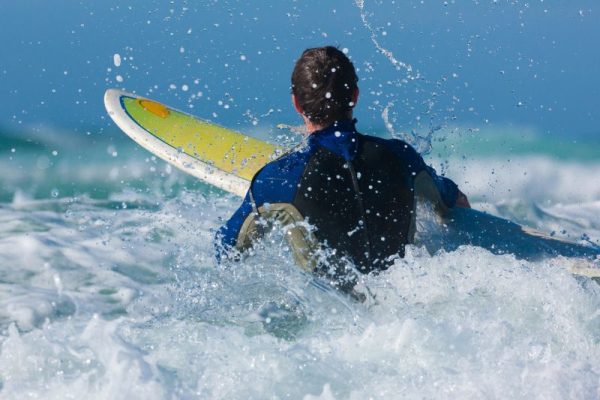
- Read the vibe. Paying attention to the hierarchy and social dynamics in the water will provide you with information on how to act, and also help you recognise moments of opportunity when waves come. Identifying dominant packs, inside peaks, and wider sections will help you navigate crowded lineups effectively and avoid conflict and frustration. For example, observing the multiple peaks in Uluwatu can help you choose the one that is least competitive.
- Be friendly, smile and say hello. Small gestures like this can lighten up the vibe in a crowded lineup and change your whole experience when surfing.
5. Mindset for a Busy Lineup
Rocking up to a surf spot and seeing an entire crowd in the water is becoming more and more common, especially for world-class waves. This can be disheartening and frustrating. However, there are some ways to curb these negative feelings and make the most of your surf.
- Dawn patrols and noon sessions. It’s harder to get up in the dark, and it’s (generally) awfully hot to surf at lunch time. However, these are the reasons why popular waves may also have a smaller crowd at these times of the day. Making that extra effort can reward you with less crowded lineups and more waves to ride. For a wave that is largely dominated by skilled local surfers such as Bingin, these are the times to try and surf this spot.
- Rewire your expectations. Don’t expect to catch the most waves or the best waves. Instead, focus on having fun, and you might end up catching more waves, practicing different manoeuvres, and enjoying your time in the water rather than being annoyed by the number of people that are out.
- Go with friends. This makes it easier to have fun, keeps your mind out of your head, and forces you to focus on those with whom you came instead of the many other people around you. It can take the pressure off of trying to get the perfect wave or do the perfect turn, and allow you to relax back into the playfulness that surfing is meant to be.
The Final Takeaway
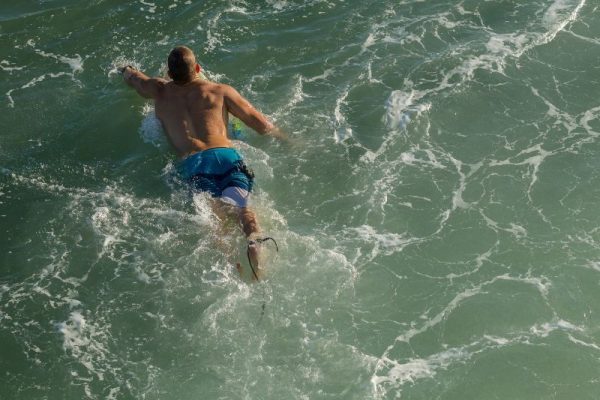
To summarise, the golden rule of travel surfing, and travelling in general, is simple: Don’t assume you’re entitled to anything. The ocean doesn’t owe us waves, and local surfers definitely don’t owe us space or waves in the lineup. But something that we can offer, as outsiders coming in, is compassion, modesty, and kindness. Being respectful, having patience, and awareness can keep an environment safe, and also open doors to better connections, relationships, sessions that are more fun, and experiences that would be far more valuable than if ego was leading the way.
Being respectful and kind when surfing a crowded lineup that is someone else’s home break is your simple ticket to good vibes, good waves, and a good time.