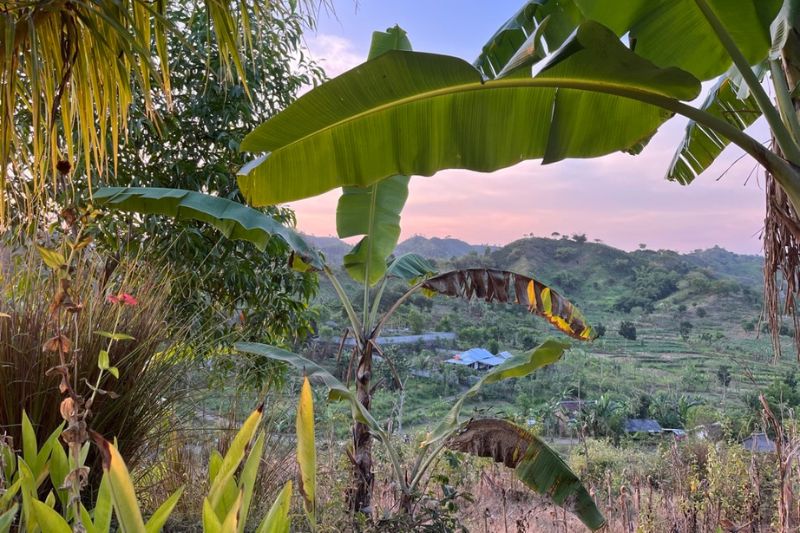


Welcome to Arugam Bay: A Surf Town for Digital Nomads
When I arrived in Arugam Bay, I immediately knew that this place was something completely different from anywhere else in Sri Lanka. There’s a unique energy here that’s hard to describe at first – a small coastal town that may look quiet on the surface, but has so much depth once you settle in.
Living a digital nomad surf life in Arugam Bay means balancing world-class point breaks with reliable Wi-Fi and a community of like-minded travelers.
Despite its laid-back appearance, the location is absolutely prime. You’re surrounded by stunning nature, endless coastline, and consistent waves, which makes it especially appealing if you want to work remotely and surf at the same time. In addition to the main breaks, the area offers reliable connectivity and quiet corners ideal for focused work. This rare combination allows you to structure your day entirely around the tide and your professional schedule.
Costs & Value: Is Arugam Bay Worth It?

Price-wise, Arugam Bay is still relatively attractive, even though it’s considered one of the more expensive places in Sri Lanka. That says a lot, considering Sri Lanka itself is one of the pricier destinations in Asia compared to other popular digital nomad hubs. Accommodation, food, and daily living costs are higher in Arugam Bay than in many inland towns, but in return you get direct access to world-class surf breaks, a tight-knit international community, and a lifestyle that’s hard to replicate elsewhere.
The combination of tropical surroundings, reliable surf, and a growing infrastructure for remote work places Arugam Bay firmly on the map as one of the best surf towns for digital nomads, offering a high quality of life focused on genuine connection and time in the ocean, which justifies the slightly higher price tag.
-> Read all about the nomad surf life in Arugam Bay here
Breaking Down the Costs of Daily Life
At some point, every digital nomad surfer wants to know what daily life really costs once routines settle in. While Sri Lanka isn’t expensive by global standards, it sits on the slightly higher end compared to other popular Asian destinations like Thailand, India, or Indonesia.
To make this more tangible, I broke my expenses down into a realistic weekly budget based on how I actually lived and worked in Arugam Bay. This digital nomad surfing budget reflects the balance I aimed for – combining remote work, daily surf sessions, and a comfortable but far from luxurious lifestyle. This practical reference shows what everyday life looks like once the initial travel phase is over and a focused, repeatable routine starts to form.

My Weekly Living Costs in Arugam Bay
| Cost | Notes | Weekly Costs (LKR) |
|---|---|---|
| Accommodation | Homestay, new opening offer for one week | 18,525 |
| Surfing | Weekly surfboard rental – see breakdown of costs below | 10,800 |
| Tuk Tuk | $US 450 per month (LKR ~ 140,000) | 34,900 |
| Fuel | Full tank, refilled once per week | 1,600 |
| Food & Drinks | Weekly expenses – see breakdown of costs below | 24,700 |
| Co-working space | Day pass (LKR 2,800) AbaY Coworking Center typically including a desk, reliable Wi-Fi, power outlets, and a quiet workspace suitable for remote work and video calls | 5,600 |
| Cafés | Weekly coffee and snacks – see breakdown of costs below | 15,500 |
| Sim Card | Dialog (50GB for 30 days) | 2,470 |
| Massage | LKR 3,000 per massage | 6,000 |
| Laundry | LKR 500 per kg | 2,500 |
| Travel & Health Insurance | Dr. Walter Protrip World Medical + emergency cover (monthly payment) | 20,680 |
| Visa | Valid for 30 days | 16,060 |
| Total weekly cost to live, surf, and work in Arugam Bay | 160,385 |
All in all, my weekly expenses in Arugam Bay came to approximately LKR 160,000 (approx. $US 515). This number reflects a week with full mobility (tuk tuk), regular café visits, co-working, and a generally comfortable setup rather than a stripped-back budget. Note that my accommodation costs were unusually low due to a new opening offer.
What Things Cost in Arugam Bay in 2025
| Item | Notes | Price (LKR) |
|---|---|---|
| Surfing | ||
| Board rental (1-2 hours) | Short-term rental at the beach or mainroad | 800 – 1,000 |
| Board rental (per day) | Short-term rental at the beach or mainroad | 1,500 – 1,700 |
| Surf lesson | 60 minutes includes instructor + board | 6,000 – 8,000 |
| Surf wax | Various surf shops | 1,200 – 1,500 |
| Food & Drinks | ||
| Local meal | Local restaurant | 500 – 1,200 |
| Western-style meal | Tourist cafés/restaurants | 1,500 – 3,000 |
| Fresh coconut | Roadside vendors | 300 |
| Bottled water | Supermarket | 130 – 150 |
| Cafés | ||
| Coffee | Specialty cafés | 400 – 700 |
| Iced coffee / latte | Popular cafés near the surf | 900 – 1,500 |
| Smoothie bowl | Tourist-focused cafés | 1,000 – 1,500 |
| Breakfast plate | Western-style | 1,200 – 2,000 |
| Shopping | ||
| T-shirt | Local shops & markets | 1,500 – 3,000 |
| Flip-flops | Beachwear stores | 2,000 – 5,000 |
| Sunscreen | Imported products are expensive | 3,000 – 5,000 |
One of my main weekly expenses was transportation. Having a tuk tuk gave me the freedom to work remotely and surf whenever the conditions were right. I could visit different spots independently without waiting for buses, taxis, or ride-hailing apps like PickMe. That level of freedom made a noticeable difference, not just in how often I surfed, but in how relaxed my entire routine felt.

The visa costs included in the budget are based on the standard 30-day tourist visa, which is valid from the day of arrival at the airport in Sri Lanka.
How to Save Money in Arugam Bay
It’s definitely possible to live more cheaply than I did. My weekly expenses reflect a comfortable lifestyle rather than the absolute cheapest option. Focusing on local food, eating at small Sri Lankan restaurants, and skipping Western cafés and imported products can noticeably reduce your digital nomad surfing budget. Local meals are not only affordable but also filling and widely available, making it easy to manage food expenses if saving money is a priority.
Being mindful of where and how you spend allows you to significantly lower your weekly budget while still enjoying life in Arugam Bay. Over time, these small daily decisions can add up, letting you maintain a relaxed, surf-focused lifestyle without sacrificing comfort. Budgeting here isn’t about extreme frugality – it’s about aligning spending with your priorities and making your money work for your experiences, rather than the other way around.
Seasonality Affects Your Budget
Another factor that influences costs is the time of year you visit. I arrived toward the end of the high season and could already feel prices beginning to shift. Accommodation and co-working spaces were still relatively high, but locals mentioned that from September and October onwards, costs usually drop as tourist numbers decrease.
As waves on the east coast become less consistent, demand declines. This makes it easier to negotiate flexibility or long-term deals. If you are planning surf trips as a remote worker, remember that the surf focus shifts to the west coast from October to April.
Is Arugam Bay the Right Surf Travel Destination for You?

If you’re thinking about spending time in Arugam Bay, it helps to be clear about the lifestyle you want. While there is nightlife and a few bars, the town isn’t centered around luxury resorts or constant entertainment. Instead, it offers a grounded, less commercial experience compared to digital nomad locations like Bali or Mexico.
Arugam Bay stands out for its simplicity and strong surf-focused culture. Here, your digital nomad surfing budget is less about keeping up with trends and more about aligning spending with what genuinely matters to you.
This environment is invaluable for those who prioritize consistent waves, untouched nature, and a balanced, intentional lifestyle. The infrastructure supports an independent rhythm with flexible accommodation and reliable Wi-Fi, offering a slower-paced alternative to high-pressure city hubs.
It’s particularly well suited for surfers planning longer stays who want to build routines and embrace a sustainable rhythm of life. This commitment to a slow travel approach is key to unlocking the bay’s true potential. By choosing Arugam Bay, you can truly integrate your professional life with a passion for the ocean in a setting that feels authentically Sri Lankan.