

A French surfer in Japan chasing waves, building a remote creative life, and learning that freedom lives in routine, not paradise.
Cold-water sessions, tiny cafés, typhoon swell—the real digital-nomad surf life in the prefecture of Chiba.
I didn’t move to Japan for neon lights or endless ramen.
I came for waves, quiet mornings, and the kind of freedom you only get when the swell decides your schedule more than a calendar does.

I’m Antoine, a French surfer living in Chiba, Japan.
Not Tokyo. Not Osaka.
Just a long stretch of sand, small fishing towns, and consistent swell.
Most people think of “digital nomad” and picture cafés in Bali. But I chose cold-water wax, vending-machine coffee, and typhoon swells.
And honestly, it’s been the best decision I ever made.
Why Chiba is the Perfect Unsuspecting Surf-Nomad Base
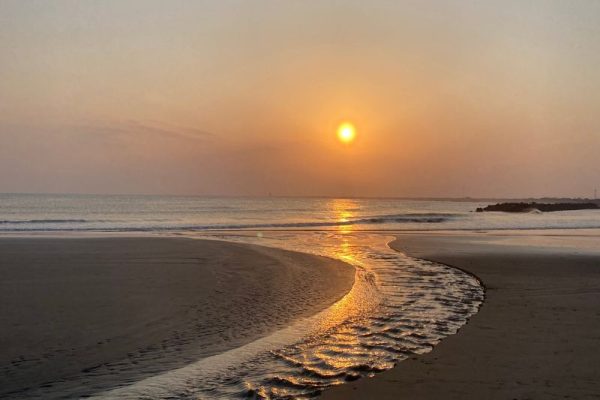
Chiba, especially Kujukuri, isn’t Bali or Byron Bay.
And that’s exactly why it’s amazing.
The waves are consistent year-round. Weekday lineups are mellow. And locals are super friendly if you respect the spot and the culture, of course.

The Waves: What to Expect
Kujukuri is a 60km stretch of beach break that picks up everything the Pacific throws at it.
The waves here are forgiving but fun, chest to head-high on average, perfect for intermediate surfers looking to progress. Longboarders love it too, especially on smaller days when you can glide across clean, peeling rights.
Sakuta Beach, my usual spot, is more powerful.
It’s a beach break with a bit more punch, especially during typhoon season from August to October. That’s when things get serious—overhead sets, fast sections, and proper barrels if you time it right.
Spring and fall are mellower but still super consistent. Winter gets cold (5 to 7mm wetsuit territory) but offshore winds are frequent, and the crowds thin out completely.
If you’re intermediate on a shortboard or comfortable on a longboard, you’ll have a blast here year-round.
The Setup: Wi-Fi, Parking Lots, and Konbini Life
Japan doesn’t play around with Wi-Fi.
Cafés: 30-80 Mbps
Home fiber: 300-500 Mbps
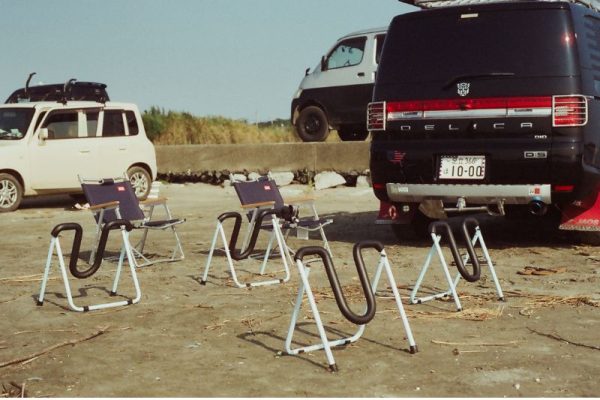
Even the Sakuta Beach parking lot has free 30-80 Mbps Wi-Fi.
-> Here’s the parking lot hack most people miss: the lot at Sakuta is free, paved, and has that surprisingly good Wi-Fi I mentioned. I’ve taken Zoom calls from my car between sessions more times than I can count.
Is it safe to leave a laptop in the car? Honestly, yes. Japan’s crime rate is ridiculously low. I still hide my bag under a towel out of habit, but I’ve never had an issue.
No power outlets in the lot, though, so keep your laptop charged. If you need to work longer, there’s a small café called Matsuya about 3 minutes up the road with solid Wi-Fi and cheap curry rice.
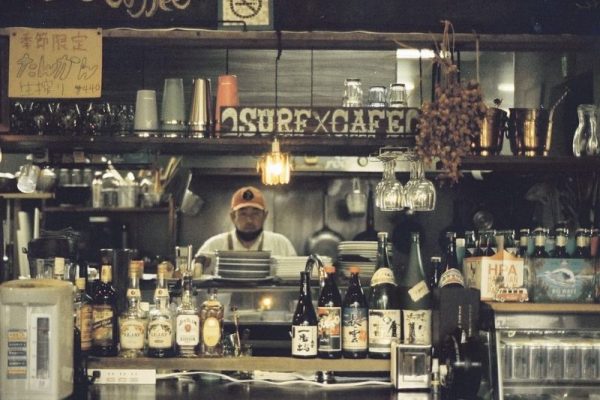
There are konbini tables, quiet local cafés, and sometimes even free hot tea if you smile enough. Nothing glamorous but really functional, close to the ocean, and peaceful.
How I Earn Remote Income as a Surf Nomad
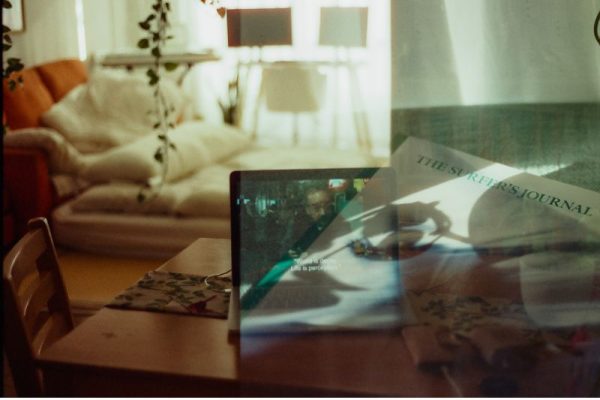
I’m a freelance creative, building a remote career from Japan.
Here’s the real breakdown: I earn through three streams, but one scales way better than the others.
Design work pays the most per project—logos, brand identity, website mockups. It’s the highest hourly rate, but it’s also the hardest to scale because every project is custom and time-intensive.
Content creation (writing, photo editing, some video work) is mid-tier income but more consistent. Once you build a portfolio, clients come back monthly. It’s repeatable work.
Small remote tasks (data entry, admin support, basic video edits) are low-paying but fast. I used to take these on Upwork to fill gaps, but I’ve phased most of them out.
The winner? Content creation. It’s scalable, it plays to my strengths, and it fits the surf-nomad rhythm. I can batch-create content, schedule deliverables around swell forecasts, and charge enough to live comfortably without grinding 8-hour days.

How I Actually Get Clients
I landed my first clients by sharing my work and my lifestyle online. People connect with authenticity, especially in the surf niche community. But let me break down what actually worked, because “share online” is vague advice.
Instagram was the game-changer. Not LinkedIn. Not Upwork alone. Instagram.
Here’s what I did: I started posting photos from my sessions—not just epic shots, but real stuff.
Wetsuits drying on fences.
Sunset checks.
Coffee in the parking lot.
Then I’d add captions about what I was working on that day or how I balanced surf and freelance life.
Within two months, I got a DM from a surf brand looking for someone to write product descriptions and social captions. That was my first $800 a month.
The script that worked? I didn’t pitch. I just posted consistently and made it obvious I was a freelancer living the life their audience wanted. When brands or individuals reached out, I replied with:
“Hey! Yeah, I do [X type of work]. Here’s a quick portfolio link. If the vibe fits, I’d love to work together. Let me know what you’re thinking.”
Short. Casual. No desperation.
I also joined Facebook groups for digital nomads in Japan and surf-focused remote work communities.
I didn’t spam. I just commented genuinely on posts, shared tips when asked, and mentioned my work naturally. Two of my longest-running clients came from those groups.
Personal outreach mattered too, but only after I had proof. I’d find small surf shops, eco brands, or travel bloggers whose content I liked, then send a short message:
“Love what you’re doing with [specific thing]. I’m a creative based in Japan and work with a few brands in this space. If you ever need help with [design/content], I’d be down to collaborate.”
Hit rate? Maybe 10%. But that’s enough.
A typical week looks like this:
Morning, surf check and a session if the swell and wind line up.
Then 3–5 hour work blocks in quiet Japanese cafés or at home.
Sometimes, I bring my laptop in a waterproof bag and move between surf breaks and coffee spots.
Simple setup.
Simple life.
A surfboard, a laptop, and a tide chart.
My Budget as a Digital Nomad Surfer in Chiba
Living in Japan doesn’t have to be expensive, especially when you live simply and close to the ocean.
I live with my partner in crime (girlfriend), so we split all the big costs. My half of the rent is about ¥30,000 a month ($200), food comes to roughly ¥20,000 ($130) per person if you cook “yaki niku” or some french “boeuf bourguignon” at home and also if you add the occasional konbini (convenient store) treats after a session.
Transport is around ¥15,000 ($100) a month for gas. We use a small car to chase swells along the coast.
Surfing itself costs almost nothing here. A bar of wax, maybe a fin screw, and the ocean handles the rest. It’s about ¥3,000 ($20) a month.
Add mobile data, internet, a few café sessions, and random life stuff, around ¥13,000 ($90) a month.
All in all, I live this lifestyle for about ¥81,000 per month ($540). It’s not luxury but it’s real freedom! And sharing meals, driving to the break together, choosing waves over nights out makes life feel full, not cheap.

Tide-Based Productivity: My Secret to Surf and Work
My routine is tide-based.
I check wind and swell first, calendar second, apps like BCM and Surfline are always open.
If the sunrise looks clean, I surf early then do deep work late morning.
If the wind flips offshore in the afternoon, I front-load work and paddle out later.
My productivity hack? A good preparation.
Board waxed.
Wetsuit ready.
Laptop charged.
Task list set the night before.
Zero friction means more waves and a clearer mind. Freedom is created by structure, not luck.

The Biggest Lesson From my Remote Work Lifestyle
The hardest part isn’t surfing. It’s not even working. It’s the uncertainty.
Visa paperwork.
Learning a new language.
Slow freelance ramp-up.
Cultural adjustments.
But the trade-off is freedom and pure personal enrichment.
The Visa Nightmare (and How I Fixed It)
Let me tell you about the single most confusing piece of visa paperwork I faced: the Certificate of Eligibility (COE) application for a designated activities visa.
I thought I could apply from France before moving. Wrong. Turns out, you need a guarantor in Japan—someone who’ll vouch for you and confirm you have a reason to stay long-term.
No guarantor? No COE. No COE? No visa. I didn’t know anyone in Japan yet. I panicked for two weeks.
What saved me? A Facebook group called “Digital Nomad Japan“. I posted my situation, and within hours, someone recommended an immigration lawyer in Chiba named Tanaka-san who specializes in freelancer visas.
Cost me ¥80,000 ($530) but he handled everything. He connected me with a local co-working space that acted as my “place of activity,” which satisfied the guarantor requirement. He translated documents, walked me through every form, and even called immigration on my behalf when they had questions.
The whole process took 8 weeks, but I got approved.
Without that group and that lawyer, I’d probably still be stuck in France Googling “how to live in Japan as a freelancer.”
My advice? Don’t try to DIY complex visa stuff. Find someone local who’s done it before. It’s worth every yen.
-> Check out our article on the Top Surf Countries with Digital Nomad Visas

Choosing Life On Your Own Terms
You grow fast when the ocean and your hustle teach you rhythm.
My advice?
Start before you feel “ready.” Live simply. Choose waves over comfort.
Build skills online, one client at a time.
You don’t need a van or Bali. Just consistency, joy, and a tide chart.
This lifestyle isn’t about perfection. It’s not always clean swell and perfect productivity.
Some days are flat. Some days lunch is cup ramen. Some days you miss a swell because you’re answering messages.
But sunrise paddles, empty weekday peaks, and coffee with sandy feet make everything worth it.
The dream isn’t surfing every day. The dream is choosing when you surf and how you live your life.
About the Author

Antoine Monge
I’m Antoine, a French surfer and freelance creative living on the east coast of Japan. I built a remote life around waves, quiet coastal towns, and the freedom to work from anywhere. Most days flow between sunrise surf checks, longboard or shortboard sessions when conditions line up, and focused work blocks in small Chiba cafés. I’m learning the language, navigating life abroad, and shaping a lifestyle guided more by swell and seasons than by routine.
See more of my work @ futsu_clothing