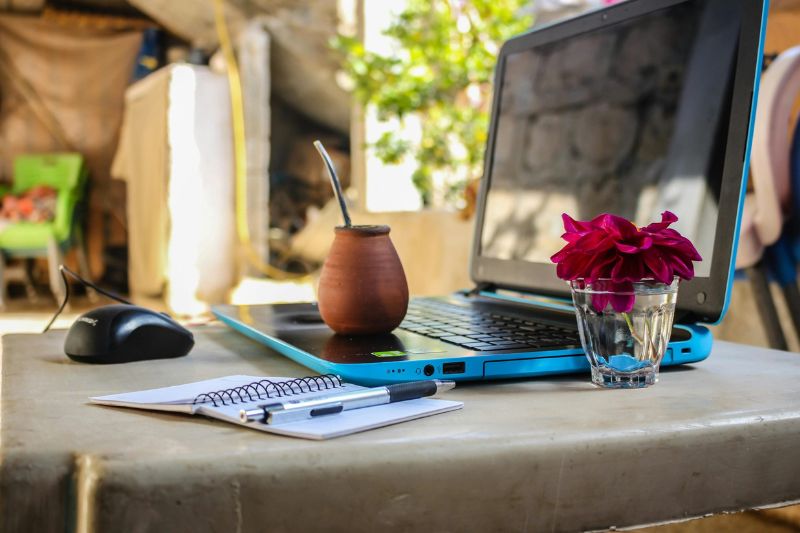


Travelling light, budget living, and having the perfect boards. This is the 3-part goal of every digital nomad surfer. Unfortunately, it’s not easy to have all three. Often times we find ourselves with more gear than we truly need, less money than we’d like to have, and in an endless search for the perfect quiver. So what’s the secret? How do we unlock this ideal travel and living scenario for our unique and transient lives? How do we optimise travelling and our lifestyle whilst also surfing to the best of our abilities?
The answer is second-hand surf gear. It is an affordable, eco-conscious, and extremely practical solution to an age-old problem. Scroll onward to uncover a global guide to finding, buying, and selling second-hand surf gear that will upgrade your surf and remote work lifestyle!
Key Takeaways for the Surf Nomad
- Save Money & Avoid Fees: Buying locally helps you recoup funds and avoid hefty airline surfboard baggage fees.
- Environmental Responsibility: Choosing pre-loved surfboards supports the circular economy and reduces your environmental footprint.
- Quiver Flexibility: Easily match your board to local wave conditions by buying and selling as you travel.
The Digital Nomad’s Hack: Why Buy & Sell Used Surf Gear While Traveling
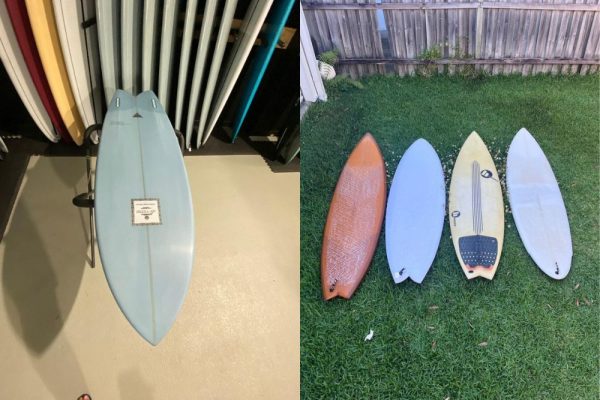
Buying and selling second-hand surfboards and surf gear is a hack that every digital nomad surfer should know about. You can save on travel costs, reduce your environmental footprint, and increase your flexibility of geographical movement for your next adventure in life.
Cost-Saving for Surf Nomads: Ditching Baggage Fees
Bringing your own boards on the road with you is comforting and probably makes you more confident in the water, especially in a new lineup. However, buying boards locally at your next surf destination can sometimes save solid amounts on travel fees (depending on where you’re travelling from and which airlines you’re flying with). Considering this factor before you embark on your surf adventure is key to travelling within your budget.
Check out our article on Flying with Surfboards: A Digital Nomad Surfer’s Guide to Airline Fees and Regulations for more travel information.
Sustainable Surf Travel: Reducing Your Environmental Footprint
Surfboards are usually single-use and disposable. Giving them a second home can increase their longevity before hitting the landfill, and reduce the demand for producing brand new surfboards. This commitment can save on energy and resources used in surfboard manufacturing and transport, supporting a responsible travel philosophy.
Increased Flexibility for Your Quiver and Travels
By purchasing surfboards locally, not only are you making your travel bags lighter, but you’re also allowing yourself to curate a new quiver to match local waves without the hassle of trying to make your old boards work in foreign conditions. Furthermore, by selling your boards before you leave, you can also recoup your funds and put them into your next interest or next surfing style.
How to Inspect and Buy a Used Surfboard: Key Checklist
Before we uncover the best markets around the world for buying and selling used boards and gear, we must consider what is important to know before buying used surf gear.
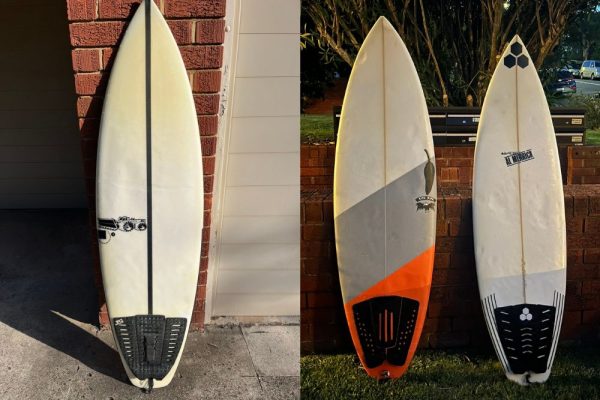
The most crucial things to notice and look for on a used surfboard are dings, water damage, the quality and strength of the fin boxes, whether the board has been painted over to hide any creases, whether it has been snapped previously, and the overall quality of the deck (the underside of the board).
Essential Questions to Ask the Used Surfboard Seller
Don’t be shy to ask many questions; you want to be thorough when buying used items. Some important questions to ask the seller include:
- The age of the surfboard
- Any repairs that have been made
- If it has ever been snapped
- Why are they selling it
When it comes to accessories such as second-hand leashes, fins, wetsuits, and swimsuits, it is more straightforward. Make sure you check the quality with your own eyes and hands before making a deal with the seller.
Where to Find and Trade Used Surfboards in Global Surf Hotspots
Depending on where you’re headed for your next remote work and surf destination, there are several different second-hand surfboard marketplaces to consider. Below are the best ways to find second-hand surf gear in the world’s hotspots for surfing and board trading.
Bali, Indonesia: Facebook Groups and Local Shops
Facebook groups like “Bali Surfboard Buy and Sell” are a great place to start. Local surf shops like Naruki or RPM in Kuta also hold decent second-hand boards, which they resell to customers at affordable prices. The Channel Islands Onboard Store on Sunset Road also sells pre-loved surfboards at reasonable prices, and they always post their stock on their Instagram @onboardbali_preloved. You don’t need a brand new surfboard to score barrels in Uluwatu!
Australia: Online Marketplaces for Quality Used Boards

Producing great quality boards and sold second-hand at decent prices, check out online spaces such as Facebook Marketplace and Gumtree and when looking for pre-loved surf gear in Australia. Follow @surfboardempire to stay updated on board swaps and second-hand markets on the East Coast.
Canary Islands, Spain: Finding Volume in Local Surf Shops
Local surf shops deal a lot of used boards. If you’re looking for anything above 29 litres of volume, you’ll easily find a suitable board in this European surfing hub.
California, USA: Board Swaps and Online Apps
If you’re on the west coast of the USA, @surfboardbroker hosts major board swap and sell events, whilst Facebook Marketplace and Offer Up are common apps/online choices for buying and selling used surfboards.
Stay Safe: Tips for Buying and Selling Used Surf Gear Online and Abroad
When selling or buying anything through the internet, it is important to stay safe and smart so as to secure the best deal for yourself and the buyer/seller, as a second-hand surfboard is only a bargain if you feel safe and confident in the exchange! So, protect yourself first, and then score the deal. Here are some tips:
- Meet the buyer/seller in public locations to check the gear and make an agreement.
- Take a friend with you! This is for safety, and also can help with spotting cracks, dings, and other undesired issues that you might forget to check.
Some red flags to watch out for and exercise caution with include:
- Sellers who ask for a deposit before you see the board.
- Prices that are WAY below market value.
- Buyers offering to “overpay” and then asking for money back.
Always inspect a board before you pay, and don’t feel pressured to buy something that you are not exactly looking for.
Optimizing Your Resale: Selling Your Surf Gear as a Digital Nomad
Just as there are things to look out for when buying second-hand boards or surf gear, there are also things that we can do when we are selling our own second-hand surf stuff to get a decent resale price.
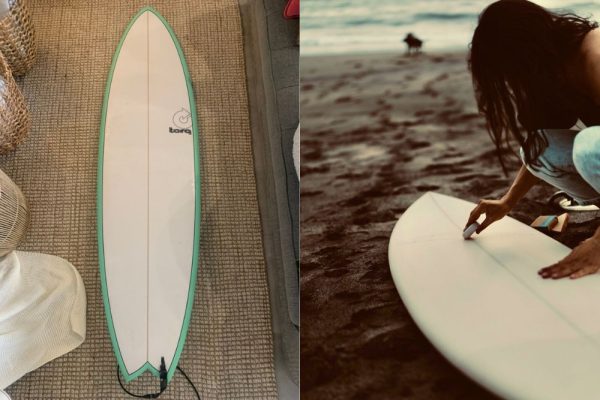
It is important to clean the board of any wax and blemishes before taking it to any board swap event or before posting photos on online marketplaces. It can also be handy to fix any dings, as people will generally try to pull the overall price down if they spot one. This will help the board look clean and ready to go.
List your board online, tell your friends, and approach surf shops too if you need to leave your board somewhere. They may ask for a commission, but you can adjust the price accordingly.
It can be useful to sell specific boards before certain seasons. For example, fun boards and twin fins are likely to sell faster pre-shoulder season when the waves are smaller and less powerful. Whilst step-ups and big-wave boards will probably sell better prior to or during the on-season when the waves are bigger, but not at the end of the season.
Be honest and fair about your price and product. Additionally, if you have time to sell your surfboard, it’s better to be patient. When selling a board on platforms like Facebook Marketplace, it always pays off to stay firm on the price you want and wait for the right customer, rather than drop your prices quickly in order to sell faster.
The Sustainability Angle: Why Pre-Loved Surf Gear is the Future
Surfboards produce a high carbon footprint in production and are not exactly organic or recycle-friendly. Thus, buying used boards lowers demand for new production and supports a circular economy within surf culture all over the world. Your old board can be another’s magic carpet!
Surf More, Stress Less
Cost-effective, sustainable, and flexible. That’s the essence of second-hand surf gear for digital nomad surfers. When you’re shredding across surf destinations, buying and selling boards along the way can make the lifestyle not only possible, but a lot easier. For ideas on where to go next, check out our guides to the Top Surf Destinations for Remote Workers.
By choosing pre-loved gear, you’re saving money, reducing your environmental footprint, and keeping your travel setup light and adaptable. More importantly, you’re giving yourself the freedom to experiment: Try out new shapes on surf trips to Hawaii, swap boards when your skills progress in Kuta Lombok, or trade one in when the next destination calls for something different. And, you’re doing all of this without the financial strain of buying brand new boards every time.
For digital nomad surfers who live on the move, buying and selling second-hand boards is about living the lifestyle with more freedom, more flexibility, and of course, more waves.